Maida Flour Supplier for Bakeries: What Bakers Should Look For
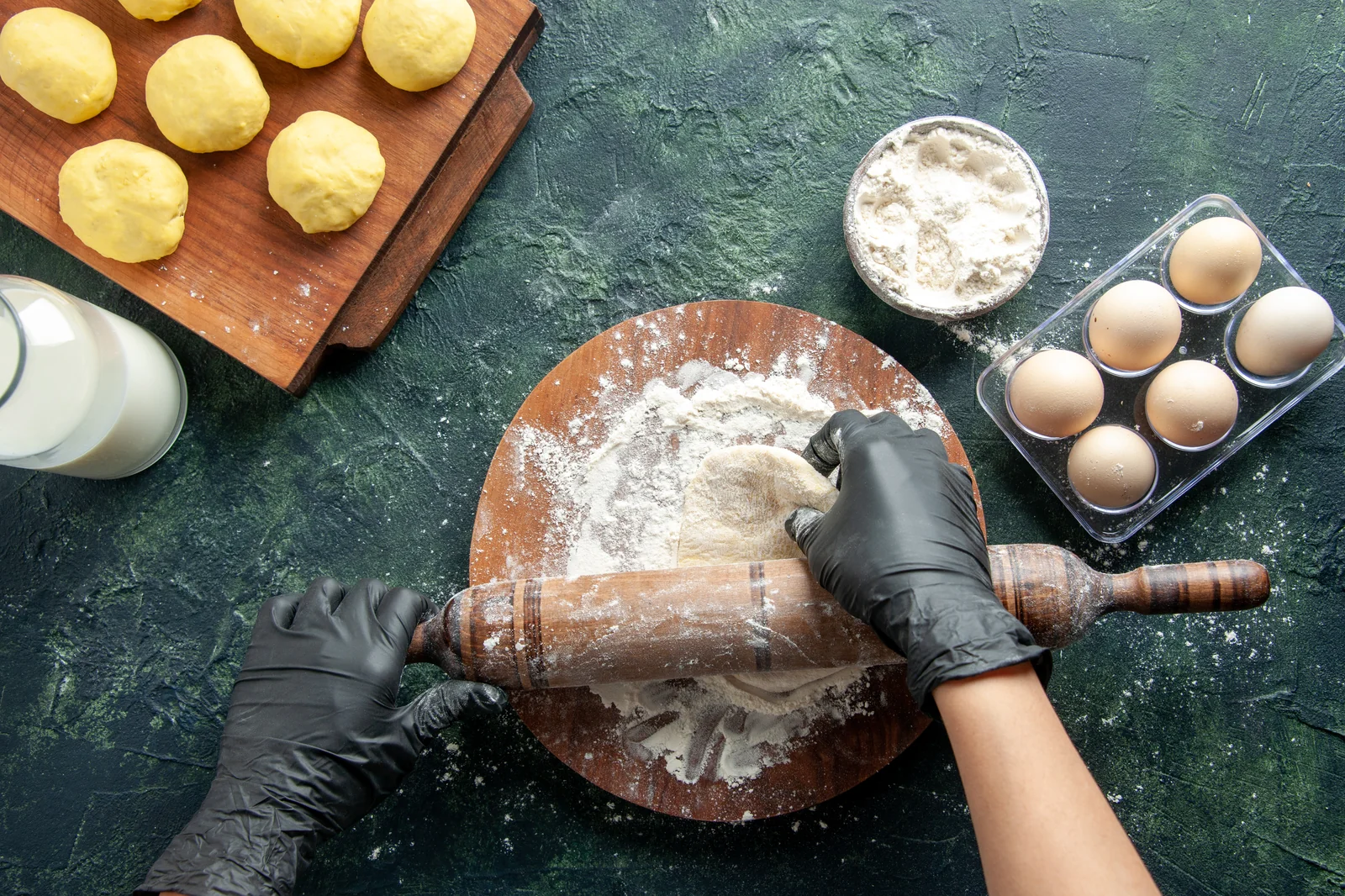
A bakery's reputation is built on consistency. Customers expect the same soft bread, flaky puff and fluffy cake every time they visit. Behind that consistency is the flour, and for many Indian bakeries that means maida. Choosing the right maida flour supplier is therefore one of the most important purchasing decisions a baker can make.
This article explains what maida is, how bakeries use it and what to evaluate when selecting a supplier.
Understanding Maida Flour
What Is Maida?
Maida is a refined wheat flour made mostly from the starchy endosperm of the wheat grain, with the bran and germ largely removed. The result is a fine, soft, white flour.
Maida vs Whole Wheat Flour
Whole wheat flour includes bran and germ, giving a darker colour and denser texture. Maida is lighter and produces a softer crumb, which is why it is widely used in bakeries and sweet shops.
Common Uses in Bakeries
Maida is used for breads, buns, pav, rusks, biscuits, cookies, cakes, pastries, puffs, samosa and many other products. Different products need different flour characteristics, so the right choice matters.
Why Supplier Choice Matters for Bakeries
Product Consistency
If flour quality changes between deliveries, so will the dough behaviour and the final product. A reliable supplier keeps quality stable so that recipes work without constant adjustment.
Production Efficiency
Good flour handles predictably during mixing, proofing and baking. This reduces wastage and keeps production on schedule.
Customer Satisfaction
Texture, softness, volume and shelf life all depend on flour. Reliable quality supports repeat sales and a strong brand.
Key Qualities of Good Bakery Maida
Fine and Uniform Particle Size
Uniform milling ensures even mixing and a smooth dough. It also affects the crumb structure of cakes and breads.
Appropriate Gluten Strength
Bread and buns generally need flour with stronger gluten, while cakes and biscuits work better with softer flour. Discuss your products with the supplier so that the flour matches your needs.
Bright, Natural Colour
Good maida has a clean, creamy white colour without unusual spots or discolouration.
Freshness and Clean Aroma
Flour should smell clean and neutral. Any off smell can indicate poor storage or old stock.
Low Contamination
Ask about cleaning, sieving and quality checks that reduce foreign matter in the flour.
Questions to Ask a Maida Supplier
Can You Match Flour to My Products?
A knowledgeable supplier should ask about what you bake and recommend suitable flour. They should be willing to provide samples for trial.
What Is Your Quality Control Process?
Ask about incoming wheat inspection, milling checks and batch records. Consistency usually comes from disciplined processes.
What Food Safety Licences Do You Hold?
A supplier should have a valid FSSAI licence and follow hygienic practices. Request details and any applicable certifications.
What Pack Sizes and Delivery Options Are Available?
Bakeries often buy in 25 kg or 50 kg bags, but needs vary. Ask about delivery schedules, minimum order quantities and the ability to handle urgent orders.
Storage Tips for Bakeries
Keep It Cool and Dry
Store maida on pallets or racks away from walls and the floor, in a cool, dry and well-ventilated room. Moisture and heat reduce quality.
Use First In, First Out
Use older stock before newer stock to prevent ageing and reduce waste. Label bags with delivery dates.
Protect from Pests
Keep storage areas clean and sealed, and inspect bags regularly. Pests can ruin large quantities of flour quickly.
Building a Long-Term Supplier Relationship
Trial Orders and Feedback
Start with a trial order and test the flour in your key products. Share feedback so the supplier can adjust if needed.
Transparent Pricing
Flour prices move with wheat markets. A good supplier explains changes clearly and helps you plan purchases.
Reliable Delivery
Missed deliveries disrupt production. Choose a supplier with a proven record for on-time supply.
Frequently Asked Questions
Expert answers on grain quality, milling methods, bulk supply and storage.
What is the difference between maida and all-purpose flour?
The terms are often used loosely. In Indian bakeries maida generally means refined wheat flour, and specifications can differ by supplier, so always check the details for your product.
Can I use the same maida for bread and cake?
Sometimes, but results are usually better when flour strength is matched to the product. Bread favours stronger flour, while cakes and biscuits favour softer flour.
How often should a bakery order flour?
This depends on volume and storage space. Many bakeries order weekly or fortnightly to keep stock fresh without risking shortages.
Should I test every new batch?
A simple dough and bake test on each delivery helps catch problems early. Keep a record so you can spot changes over time.
Conclusion
For a bakery, maida is not just an ingredient but the foundation of every product. A strong maida flour supplier delivers consistent quality, understands your recipes, follows food safety standards and supplies on schedule. Take time to test samples, ask the right questions and build a relationship based on trust.
Looking for Wholesale Wheat Flour or Milling Supply?
Tara Grains supplies flour for bakeries and food businesses. Contact the team to request samples and discuss your monthly requirement.