Semolina Supplier for Bakeries: Selecting Quality Rava for Better Baking
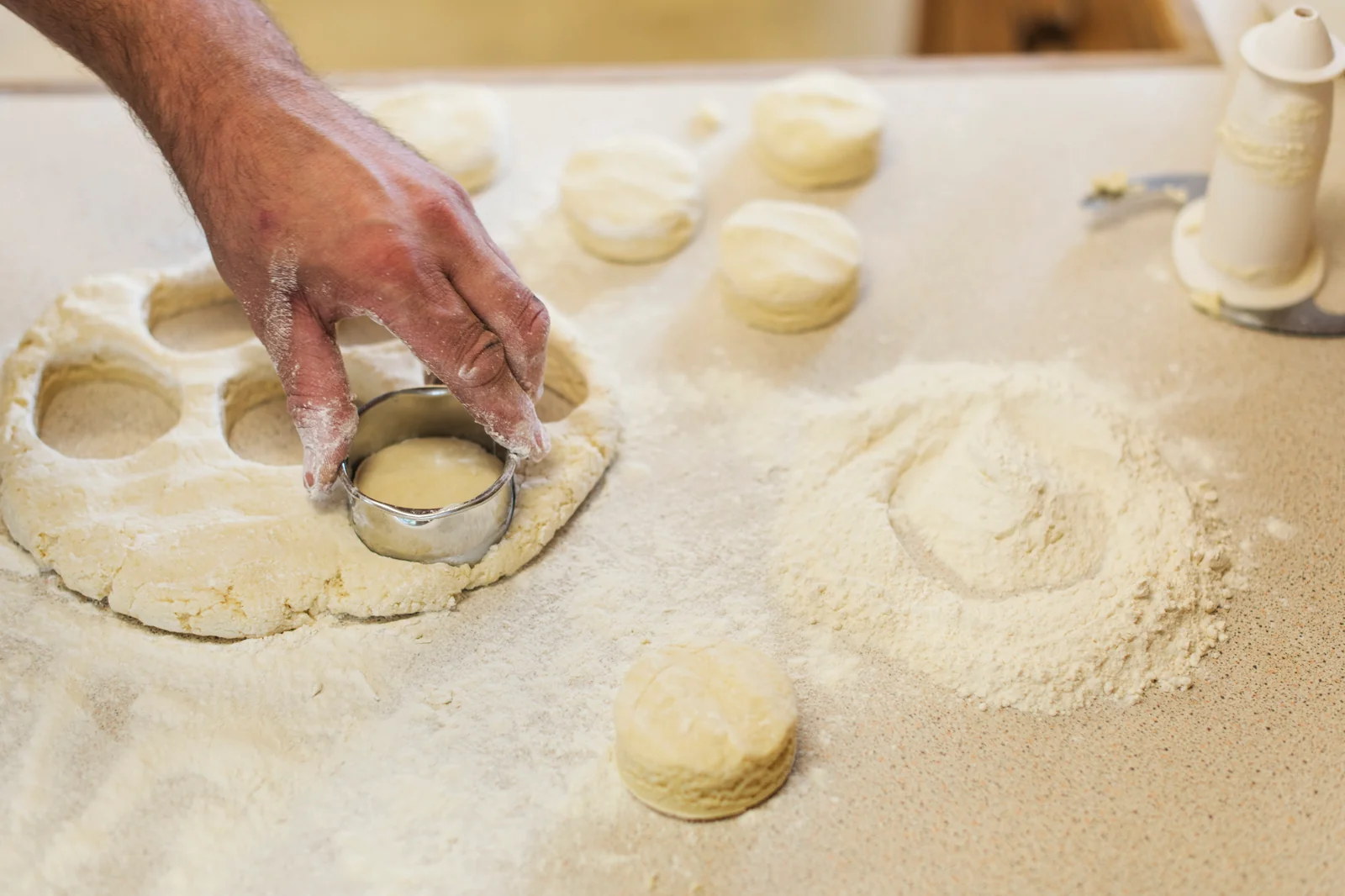
Semolina, known in many Indian homes as sooji or rava, is a versatile ingredient in bakeries. It adds a pleasant crunch to biscuits, a golden bite to bread crusts and a distinctive texture to cakes and sweets. Because texture and grain size play such a big role, bakers need a supplier who can deliver semolina of consistent quality.
This article explains what semolina is, how bakeries use it and what to evaluate when choosing a semolina supplier.
What Is Semolina?
Definition and Source
Semolina is a coarsely milled flour made from the endosperm of wheat. It has a granular texture that sets it apart from fine flours such as maida.
Different Grain Sizes
Semolina comes in fine, medium and coarse grades. The right grade depends on the product, so a bakery should discuss its needs with the supplier.
Colour and Flavour
Good semolina has a light cream to pale yellow colour and a mild, clean flavour that does not overpower other ingredients.
How Bakeries Use Semolina
Breads and Buns
Semolina is often used for dusting trays and moulds to prevent sticking and add texture to the crust. Some recipes include it in the dough for a slightly crunchy bite.
Cakes and Sweets
Semolina cakes and traditional Indian sweets rely on it for structure and a pleasing grainy texture.
Biscuits and Cookies
Adding semolina can give biscuits a crisp, sandy bite that customers enjoy.
Pizza Bases and Pasta Products
Semolina is commonly used for dusting pizza peels and in certain pasta recipes, giving a good release and texture.
Rusks and Savoury Snacks
Bakeries producing rusks, namkeen items or fried snacks may use semolina for crunch and structure.
Quality Factors to Check
Uniform Granule Size
Even particle size ensures consistent texture and cooking behaviour. Mixed sizes can cause uneven results.
Cleanliness and Purity
Semolina should be free from husk, stones and dark specks. Ask about cleaning and sieving steps.
Freshness and Aroma
A clean, mild aroma indicates freshness. A musty or sour smell is a warning sign of poor storage or old stock.
Moisture Content
High moisture can lead to lumps and spoilage. A supplier should manage moisture carefully and use suitable packaging.
Consistent Colour
Variations in colour from batch to batch may indicate differences in wheat or processing. Consistency helps maintain a uniform look in your products.
Questions to Ask a Semolina Supplier
Which Grades Do You Offer?
A supplier with several grades can match the product to your recipe. Ask for samples of each and test them in your bakery.
How Do You Ensure Quality and Hygiene?
Check for FSSAI licensing, cleaning processes and storage practices. Hygiene is essential for food safety.
What Packing Sizes Are Available?
Bakeries may need 25 kg or 50 kg bags, while smaller outlets may prefer smaller packs. Ask about moisture-resistant packaging.
How Reliable Is Your Delivery?
Regular, on-time delivery avoids production delays. Clarify lead times and what happens in urgent situations.
Storage and Handling in the Bakery
Cool and Dry Conditions
Store semolina in a clean, well-ventilated room away from heat and moisture. Raise bags off the floor using pallets.
Airtight Containers for Opened Bags
Once opened, transfer semolina to sealed containers to protect it from humidity and pests.
Pest Monitoring
Granular products can attract insects. Inspect regularly and maintain good housekeeping.
Stock Rotation
Follow first in, first out and label bags with receipt dates so that older stock is used first.
Building a Reliable Supply Relationship
Start with a sample order, test each grade in your products and give feedback. Agree on specifications such as granule size, colour and packing in writing. A supplier who is open to such discussions is more likely to deliver consistently over the long term.
Planning Seasonal Demand
Festivals and holiday seasons often increase demand for sweets and baked goods. Share your expected volumes with your supplier early so that stock and grades are available when you need them.
Testing Before You Switch
Bake a trial batch with any new semolina grade before using it in full production. Compare crumb, crust, colour and taste with your current product, and note the results so that purchasing and production teams stay aligned.
Frequently Asked Questions
Expert answers on grain quality, milling methods, bulk supply and storage.
What is the difference between semolina and rava?
In most Indian contexts, sooji, rava and semolina refer to the same granular wheat product, though grain size and quality can differ between suppliers.
Can semolina be used in gluten-free baking?
No. Wheat semolina contains gluten, so it is not suitable for gluten-free products.
How long does semolina last?
Shelf life depends on moisture, packaging and storage. Check the pack date and keep semolina cool, dry and sealed.
Conclusion
Semolina may seem like a small ingredient, but it has a big impact on texture and appearance in bakery products. By choosing a supplier who offers the right grades, consistent quality, hygienic handling and reliable delivery, bakeries can protect the quality customers expect.
Looking for Wholesale Wheat Flour or Milling Supply?
Tara Grains supplies semolina and flour products to bakeries and food businesses. Contact us to request samples and discuss your monthly needs.