Wheat Flour Supplier for Food Industries: What Manufacturers Need to Know
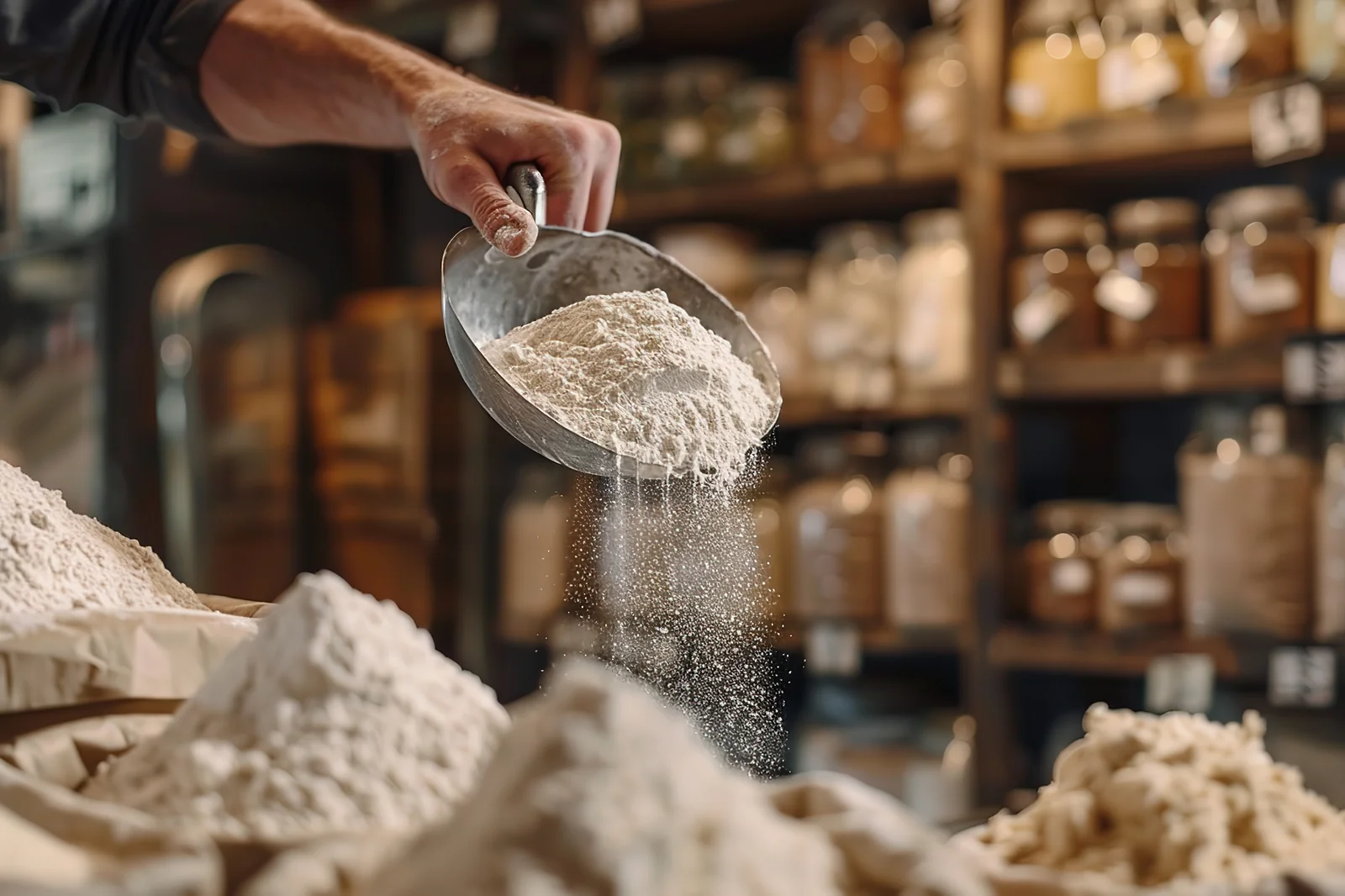
Wheat flour is the backbone of countless food products, including biscuits, breads, noodles, snacks, ready meals and sweets. For food industries, a small variation in flour quality can affect machine performance, product texture, shelf life and even customer complaints. Selecting the right wheat flour supplier is therefore a strategic decision rather than a simple purchase.
This guide outlines what food manufacturers should look for in a wheat flour supplier and how to build a dependable partnership.
Why Flour Specifications Matter
Different Products, Different Flour
A biscuit needs a soft flour with lower protein, while bread and noodles need stronger gluten. Using the wrong flour leads to poor texture and production problems.
Impact on Processing
Flour affects dough rheology, water absorption, mixing time and machine handling. Consistent flour means fewer adjustments on the production line.
Effect on Shelf Life and Appearance
Moisture, freshness and particle size influence how long a product stays fresh and how it looks. Uniform flour supports uniform quality.
Key Parameters to Discuss with a Supplier
Protein and Gluten
Ask the supplier to provide the protein level and gluten characteristics of each flour grade, and match them to your products.
Moisture Content
Moisture influences storage stability and microbial risk. Flour should be dried and packed within agreed limits.
Ash and Refinement Level
These indicate how much bran remains in the flour and affect colour and nutrition. Define the level you need for your application.
Particle Size
Uniform particle size ensures even hydration and smooth dough. Fine flour suits some products, while coarser grades suit others.
Colour and Appearance
Consistency in colour is vital for visual appeal, especially in white bread, biscuits and noodles.
Food Safety and Compliance
Licensing and Certification
A supplier to the food industry should hold a valid FSSAI licence and, where relevant, other quality management certifications. Request copies and check their validity.
Hygienic Processing
Clean facilities, pest control, metal detection where applicable and proper handling procedures protect your product from contamination.
Traceability
A good supplier maintains batch records, so that any quality concern can be traced back to its source quickly.
Allergen and Contaminant Management
Wheat is an allergen. Make sure the supplier follows proper labelling and cross-contact controls, and ask about testing for contaminants as applicable.
Supply Reliability and Logistics
Capacity and Scalability
Check whether the supplier can support your current volumes and future growth without compromising quality.
Lead Times and Delivery Schedules
Production lines cannot afford unplanned stoppages. Agree on delivery windows, advance notice and contingency plans.
Packaging Options
Flour is commonly supplied in 25 kg or 50 kg bags, and bulk options may be available for larger users. Choose packaging suited to your handling, storage and line feeding.
Storage Guidance
A supplier should provide clear storage instructions and shelf-life information so that you can plan inventory properly.
Evaluating and Qualifying a Supplier
Request Samples and Specifications
Test samples in your own process and compare them with your specification. Trials on actual production runs give the most reliable information.
Audit and Documentation
Where possible, visit the facility or request audit reports. Review documents such as certificates of analysis and food safety policies.
Pilot Orders
Begin with limited orders to confirm consistency across several batches before shifting major volumes.
Ongoing Performance Reviews
Track quality, delivery and complaint handling over time. Regular reviews keep standards high and surface issues early.
Commercial Considerations
Prices will depend on wheat markets, volumes and specifications, so seek clarity on how pricing is structured and when it may change. Discuss payment terms, minimum orders and any contract duration. A transparent supplier will explain these points clearly and avoid hidden costs.
Sustainability and Responsible Sourcing
Many food companies now ask suppliers about responsible sourcing, waste reduction and packaging. Discuss these topics early, because they can influence long-term partnerships and customer expectations.
Communication Between Quality and Purchase Teams
Keep your quality, production and purchase teams aligned on specifications. Clear internal communication prevents mismatched orders and makes supplier discussions faster and more productive.
Frequently Asked Questions
Expert answers on grain quality, milling methods, bulk supply and storage.
How often should flour specifications be reviewed?
Review them whenever you change a product, process or supplier, and at least once a year to confirm they still suit your needs.
Should I buy from one supplier or several?
A single supplier simplifies management, while a second approved source reduces risk. Many manufacturers use a main supplier and a backup.
What is a certificate of analysis?
It is a document showing test results for a particular batch, such as moisture and other agreed parameters. It helps you verify that each delivery meets specification.
Conclusion
A wheat flour supplier for food industries must offer more than a product. It must deliver consistency, safety, documentation and dependable supply. By setting clear specifications, testing samples, verifying compliance and monitoring performance, food manufacturers can secure the flour they need to maintain quality at scale.
Looking for Wholesale Wheat Flour or Milling Supply?
Tara Grains supplies wheat flour to food businesses and manufacturers. Contact us to share your specification and request samples and a quotation.